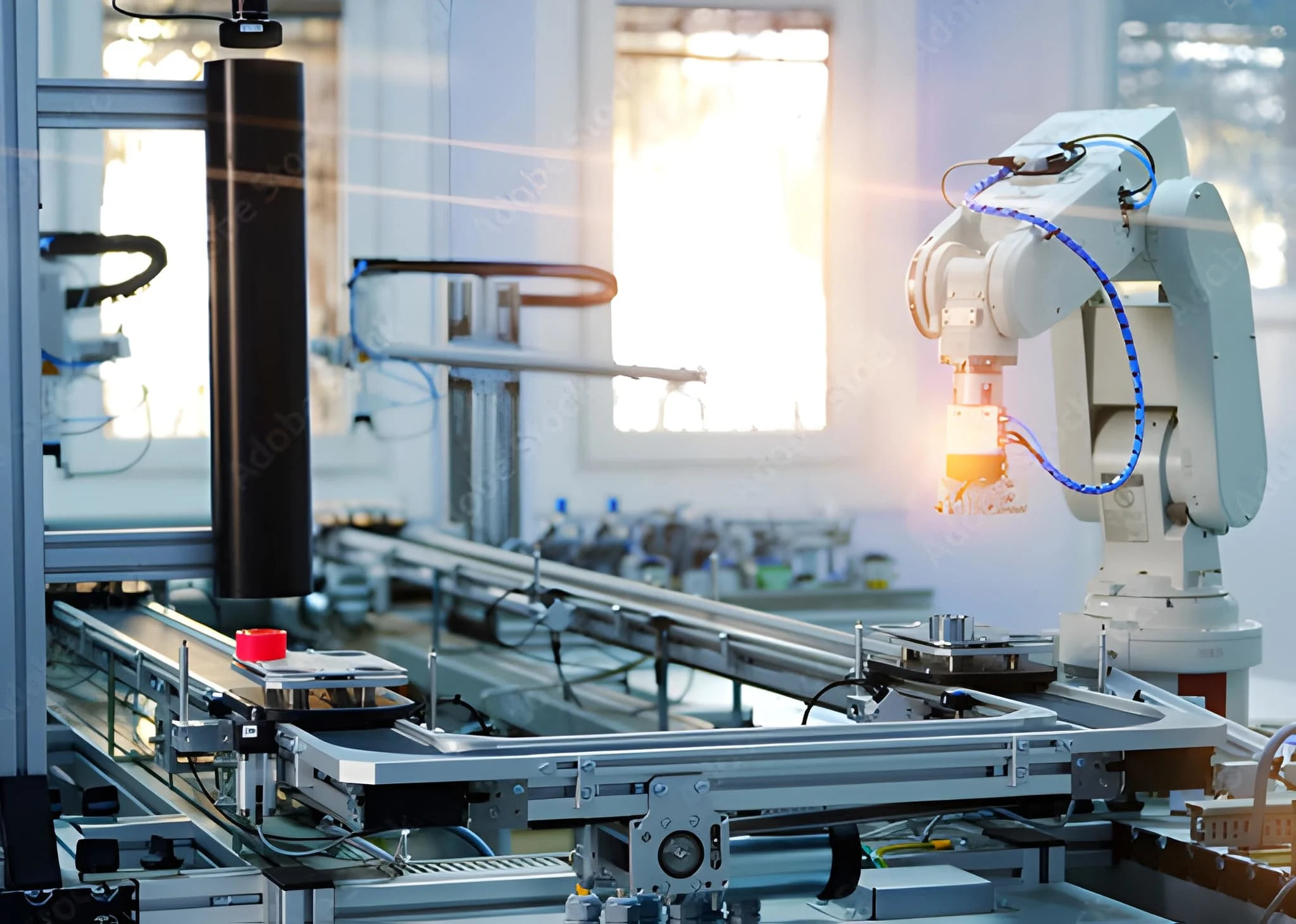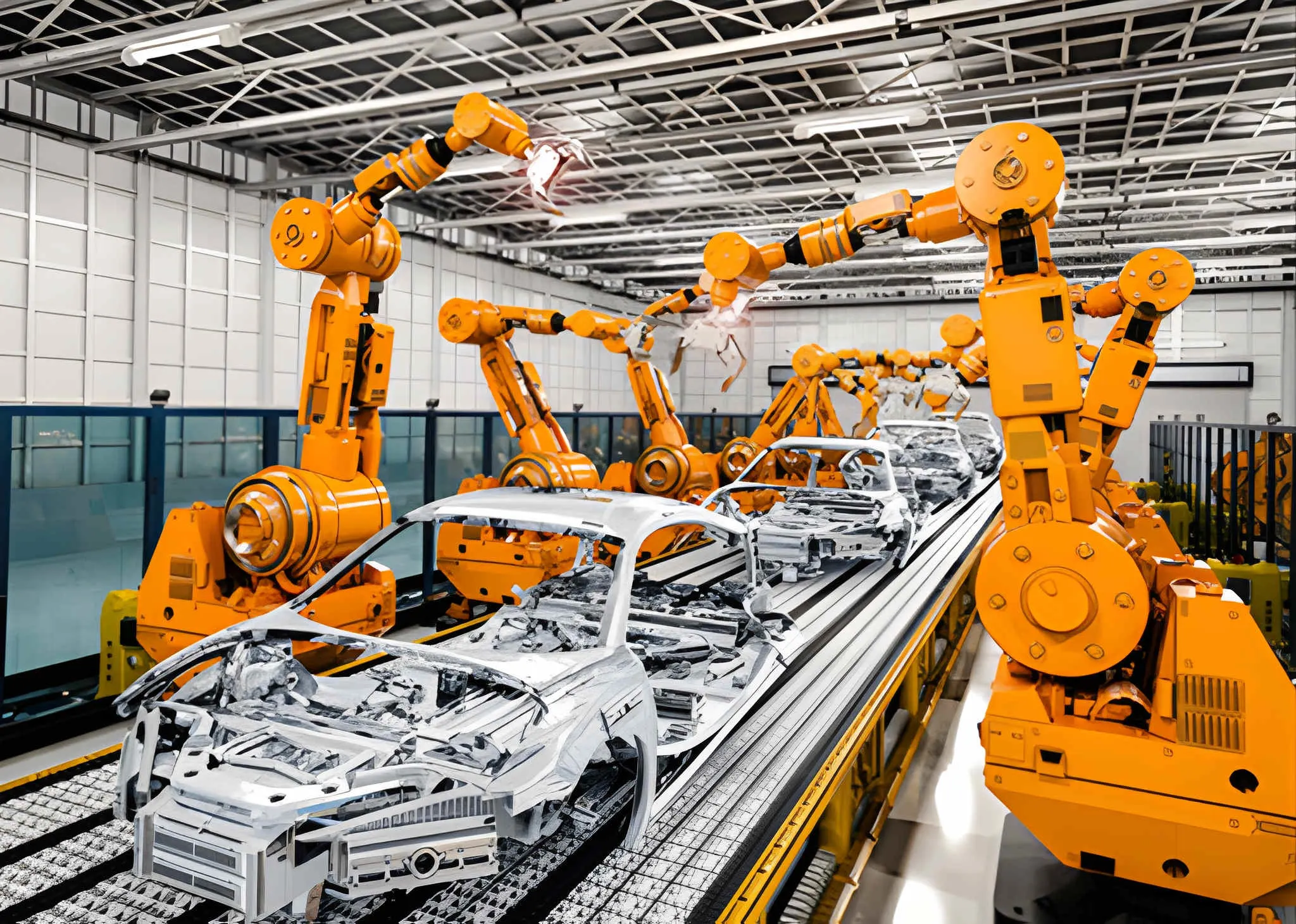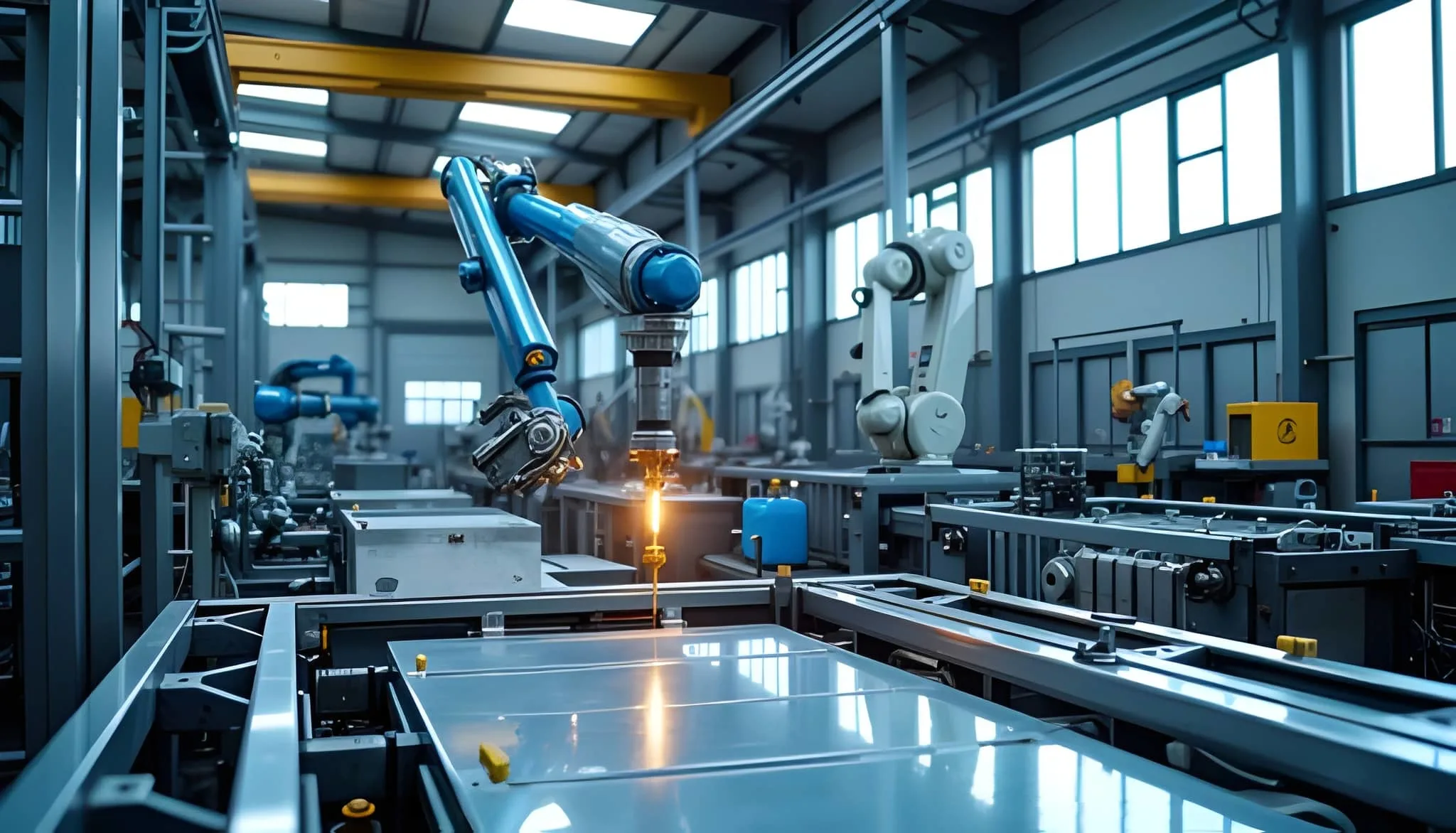
Industrial automation is the integration of technology, robotics, and advanced control systems into industrial processes to replace or augment manual operations. This transformation enables industries to operate more efficiently, produce consistently high-quality products, and respond swiftly to market demands.
 
Automation involves the use of software, machines, sensors, and various types of industrial equipment to streamline tasks ranging from assembly and material handling to quality control and packaging. The impact of industrial automation is evident across numerous sectors, including automotive, electronics, pharmaceuticals, and food and beverage, where efficiency and precision are paramount.

Pulse Control is a supplier in the industrial automation sector, providing a range of products and solutions to enhance the efficiency, accuracy, and reliability of automated industrial processes.

By offering advanced technology and control systems, Pulse Control supports industries in automating complex tasks, thereby reducing human intervention, minimizing errors, and increasing production capacity.

Key Products and Solutions for Industrial Automation

Pulse Control supplies a variety of automation components, including PLCs (Programmable Logic Controllers), variable frequency drives (VFDs), sensors, and Human Machine Interface (HMI) systems. These products enable industries to streamline and control different processes, from manufacturing and assembly to packaging and quality control.

PLCs help monitor and manage machines with precision, while VFDs regulate motor speed, improving energy efficiency. HMI systems further enhance productivity by allowing operators to control processes with ease and monitor real-time data, reducing the chances of downtime or error.

Customization and Support Services

In addition to providing equipment, Pulse Control offers consultation and support services to help industries configure and customize solutions that meet their specific operational needs. Their expertise in automation technologies ensures that clients receive solutions tailored to their unique requirements, be it in pharmaceuticals, automotive, food processing, or electronics manufacturing.

Pulse Control’s technical support also assists with installation, integration, and maintenance, ensuring that automated systems run smoothly and reliably over time.

Impact on Efficiency and Cost Savings

Pulse Control’s automation solutions allow industries to increase productivity, reduce operational costs, and improve product consistency. Automated systems optimize resource usage, lower energy consumption, and provide precise control over industrial processes, ultimately enhancing product quality while cutting down on waste. As a result, companies benefit from faster production times, fewer errors, and lower costs, supporting their long-term operational goals and competitiveness in the market.

With its focus on innovation and client-centric solutions, Pulse Control plays a critical role in helping industries achieve digital transformation and operational excellence through advanced industrial automation technologies.


Relevance of Industrial Automation in the UAE

Economic Diversification and Growth: The UAE’s economy is actively diversifying from oil dependency to sectors such as manufacturing, technology, and services. Industrial automation plays a crucial role in this transition, helping industries improve productivity and maintain competitive advantages. By adopting automated systems, the UAE can modernize its industrial sectors, enhance manufacturing efficiency, and reduce operational costs, thereby driving the growth of non-oil industries. Automation aligns with the UAE’s strategic vision to establish itself as a hub for innovation and technology, contributing significantly to its long-term economic goals.

Enhanced Productivity and Efficiency: Industrial automation is key to improving productivity across various industries in the UAE, including manufacturing, logistics, and construction. Automation technologies such as robotics, artificial intelligence (AI), and the Internet of Things (IoT) streamline processes, reduce human errors, and enable faster production cycles. For example, automated systems in manufacturing ensure precision, minimize downtime, and enhance quality control, which are crucial in maintaining high standards for both local and export markets. This increased productivity not only strengthens the UAE’s competitive position in the global market but also attracts foreign investment and fosters innovation within local industries.

Improved Safety and Worker Welfare: In industries such as oil and gas, construction, and manufacturing, worker safety is a top priority. Automation can reduce human involvement in hazardous tasks, minimizing the risk of workplace injuries. By replacing human workers with robotic systems in dangerous environments, the UAE enhances workplace safety standards. This, in turn, helps the nation adhere to international labor standards and reinforces its commitment to providing a safer working environment. Additionally, automation allows workers to focus on higher-value, less physically demanding tasks, improving overall job satisfaction and long-term employee welfare.

Attracting Investments and Skilled Workforce: As the UAE embraces automation, it positions itself as an attractive destination for global investors and skilled workers. High-tech industries driven by automation create a demand for specialized talent in fields such as robotics, data science, and AI, helping the UAE build a highly skilled workforce. Furthermore, advanced manufacturing technologies and efficient automated processes appeal to international companies seeking to invest in the UAE’s thriving industrial sector. The combination of advanced infrastructure, a progressive business environment, and the implementation of industrial automation makes the UAE a prime location for both investors and professionals in the field of industrial technology.

In conclusion, the integration of industrial automation is essential for the UAE as it drives economic diversification, enhances productivity, ensures safety, and attracts both investment and talent. By continuing to invest in automation technologies, the UAE can solidify its position as a leader in innovation and advanced industries in the region.

What services does Pulse Control provide in industrial automation?

Pulse Control specializes in complete industrial automation solutions, including system integration, control panels, PLC programming, SCADA systems, robotics, and industrial machinery upgrades to improve efficiency and reliability.

What Is Industrial Automation and Why Is It Important for Modern Industries?

AspectDescriptionExample TechnologyIndustry Benefit
Process ControlAutomated systems manage machines and production processesPLC SystemsHigher efficiency
MonitoringReal-time tracking of operations and equipmentSCADA SoftwareBetter decision-making
Safety SystemsAutomated alerts and shutdown mechanismsIndustrial SensorsImproved workplace safety
Quality ControlAutomated inspection and measurementVision SystemsConsistent product quality
Data AnalyticsCollects and analyzes production dataIoT PlatformsPredictive maintenance
Remote OperationControl systems from centralized or remote locationsCloud-based AutomationReduced operational costs

resources and reduce operational costs. Pulse Control delivers customized solutions for Omani industries, from energy to logistics, making operations more reliable and sustainable. in Dubai Dubai’s industrial sector relies on automation for construction, logistics, and advanced manufacturing. Pulse Control’s solutions help businesses in Dubai integrate smart technologies for improved speed, safety, and cost efficiency. in Sharjah Sharjah is home to many factories and industrial zones where automation plays a critical role. Pulse Control provides reliable automation services in Sharjah, ensuring businesses benefit from modern systems that enhan Ajman’s growing industrial landscape is increasingly adopting automation for cost-effective production. Pulse Control assists businesses in Ajman with innovative automation solutions that improve accuracy and streamline operations. Industrial Automation in Umm Al Quwain Umm Al Quwain, though smaller in scale, is expanding its industrial presence. Pulse Control supports industries in the region with efficient automation systems that enable better performance and operational stability. Industrial Automation in Ras Al Khaimah Ras Al Khaimah’s cement, ceramics, and manufacturing industries rely on modern automation to remain competitive. Pulse Control provides tailored automation technologies to strengthen RAK’s industrial efficiency and global competitivene Fujairah’s oil storage, shipping, and industrial operations benefit from automation for precision and safety. Pulse Control delivers advanced systems in Fujairah to optimize these critical sectors and ensure sustainable growth. Industrial Automation in Sudan Sudan’s developing industries are adopting automation to boost productivity and efficiency. Pulse Control supports Sudanese industries by providing scalable and cost-effective automation technologies suitable for growing markets. Industrial Automation in Nigeria Nigeria is embracing automation to modernize its manufacturing, energy, and oil & gas sectors. Pulse Control plays a role by offering innovative automation solutions that enhance efficiency, reduce costs, and support sustainable growth in Nigeria. Industrial Automation in Abu Dhabi by Pulse Control Abu Dhabi, being the energy capital of the UAE, has a strong demand for advanced industrial automation. Pulse Control is a trusted partner in Abu Dhabi, delivering cutting-edge automation systems that serve oil & gas, power generation, and manufacturing industries, ensuring maximum efficiency and safety. industrial automation in UAE industrial automation in Dubai industrial automation in Sharjah industrial automation in Ajman industrial automation in Umm Al Quwain industrial automation in Ras Al Khaimah industrial automation in Fujairah industrial automation in Sudan industrial automation in Nigeria industrial automation in Abu Dhabi Industrial automation presents numerous benefits, but it also comes with its own set of challenges that organizations must navigate to successfully implement and sustain automated systems. Here are some key challenges associated with industrial automation: 1. High Initial Investment One of the most significant barriers to adopting industrial automation is the substantial upfront investment required for purchasing equipment, software, and technology infrastructure.Industrial Automation v Industrial Automation Iation Industrial Automation Industrial Asystems, installation, and ongoing maintenance. Organizations must conduct thorough cost-benefit analyses to ensure that the long-term gains from automation justify the initial expenditures. 2. Skills Gap and Workforce Resistance The implementation of advanced automation technologies often requires specialized skills that may not be readily available in the existing workforce. Many employees may need training to operate and maintain automated systems effectively, leading to a skills gap in the labor market. Additionally, there can be resistance from employees who fear job displacement due to automation. Managing this transition involves clear communication, re-skilling programs, and possibly redefining job roles to emphasize collaboration between human workers andsystems. 3. Integration with Legacy Systems Integrating new automation technologies with existing legacy systems can be complex and challenging. Many industries operate with outdated machinery and software that may not be compatible automation solutions. This can lead to operational disruptions and increased costs during the transition period. Businesses must develop a comprehensive integration strategy that ensures compatibility and smooth interaction between old and new systems, which may involve upgrading or replacing legacy equipment. 4. Cybersecurity Threats As industries adopt automation and IoT technologies, the risk of cyberattacks increases. Automated systems are often interconnected, creating potential vulnerabilities that hackers can exploit. Ensuring robust cybersecurity measures is crucial to protect sensitive data, intellectual property, and operational continuity. Companies need to invest in dustrial automation, organizations can foster a more positive attitude towards adopting these technologies, leading to successful implementation and enhanced productivity. Industrial automation refers to the use of control systems, sensors, machinery, and advanced technologies to operate industrial processes with minimal human intervention. It improves efficiency, reduces costs, enhances accuracy, and ensures safe and reliable operations in sectors like manufacturing, oil & gas, logistics, and utilities. Industrial Automation in UAE The UAE has become a hub for industrial automation due to its rapidly growing industries and infrastructure projects. Pulse Control provides modern automation solutions tailored to the UAE’s oil & gas, manufacturing, and energy sectors, helping businesses achieve high efficiency and global standards. Industrial Automation in Dubai Dubai’s industrial sector relies on automation for construction, logistics, and advanced manufacturing. Pulse Control’s solutions help businesses in Dubai integrate smart technologies for improved speed, safety, and cost efficiency. Industrial Automation in Sharjah Sharjah is home to many factories and industrial zones where automation plays a critical role. Pulse Control provides reliable automation services in Sharjah, ensuring businesses benefit from modern systems that enhance output and reduce downtime. Industrial Automation in Ajman Ajman’s growing industrial landscape is increasingly adopting automation for cost-effective production. Pulse Control assists businesses in Ajman with innovative automation solutions that improve accuracy and streamline operations. Industrial Automation in Umm Al Quwain Umm Al Quwain, though smaller in scale, is expanding its industrial presence. Pulse Control supports industries in the region with efficient automation systems that enable better performance and operational stability. Industrial Automation in Ras Al Khaimah Ras Al Khaimah’s cement, ceramics, and manufacturing industries rely on modern automation to remain competitive. Pulse Control provides tailored automation technologies to strengthen RAK’s industrial efficiency and global competitiveness. Industrial Automation in Fujairah Fujairah’s oil storage, shipping, and industrial operations benefit from automation for precision and safety. Pulse Control delivers advanced systems in Fujairah to optimize these critical sectors and ensure sustainable growth. Industrial Automation in Sudan Sudan’s developing industries are adopting automation to boost productivity and efficiency. Pulse Control supports Sudanese industries by providing scalable and cost-effective automation technologies suitable for growing markets. Industrial Automation in Nigeria Nigeria is embracing automation to modernize its manufacturing, energy, and oil & gas sectors. Pulse Control plays a role by offering innovative automation solutions that enhance efficiency, reduce costs, and support sustainable growth in Nigeria. Industrial Automation in Abu Dhabi by Pulse Control Abu Dhabi, being the energy capital of the UAE, has a strong demand for advanced industrial automation. Pulse Control is a trusted partner in Abu Dhabi, delivering cutting-edge automation systems that serve oil & gas, power generation, and manufacturing industries, ensuring maximum efficiency and safety. Automation refers to the use of technology, systems, or machines to perform tasks or processes with minimal human intervention. It spans industries, enhancing efficiency, accuracy, and productivity while reducing human error and repetitive workloads. From manufacturing to customer service, automation reshapes how businesses and systems operate, allowing for faster and more cost-effective outcomes. Types of Automation Fixed Automation: Common in manufacturing, this involves fixed machinery programmed to perform a specific task repeatedly, such as assembly lines. Programmable Automation: Used for batch production, where machines are reprogrammed to handle different tasks based on varying product specifications. Flexible Automation: Enables quick changes in tasks, allowing machines to switch between processes with minimal downtime, enhancing adaptability. Robotic Process Automation (RPA): Software-based automation that handles repetitive tasks, such as data entry or invoice processing, in administrative and digital workflows. Applications of Automation Manufacturing: Robots and automated systems streamline assembly, packaging, and quality control. Healthcare: Automated diagnostic tools, robotic surgeries, and patient monitoring systems improve efficiency and outcomes. Retail: Automation in inventory management, checkout systems, and personalized marketing enhances customer experience. Transportation: Autonomous vehicles and smart traffic management systems revolutionize mobility. Finance: RPA automates processes like fraud detection, loan approvals, and customer service interactions. Construction: Automated machinery like drones and robotic arms aid in surveying, building, and demolition tasks. Advantages Increased Efficiency: Automation speeds up processes and reduces production times. Cost Savings: Reduces labor costs and minimizes errors that lead to wastage. Scalability: Enables businesses to scale operations without proportional increases in labor. Enhanced Safety: Automating hazardous tasks protects human workers. Data Accuracy: Automates data collection and analysis, reducing human error. Challenges High Initial Costs: Implementing automation systems can require significant investment. Job Displacement: Automation may reduce demand for certain roles, creating workforce challenges. Maintenance and Upgrades: Automated systems require regular updates and servicing. Complexity: Integrating automation into existing workflows can be complex and time-consuming. Ethical Concerns: Decisions made by AI-powered automation can raise ethical and regulatory issues. Automation is a transformative force driving innovation and efficiency across industries. While it brings significant benefits, its challenges require careful management to ensure balanced outcomes for businesses, workers, and society. Automation in industries refers to the use of technology to perform tasks without human intervention, aiming to improve efficiency, accuracy, and productivity across various industrial sectors. Automation can be applied to a wide range of processes, from manufacturing to logistics and customer service, and involves the use of machines, computers, and robots to perform repetitive or complex tasks that were traditionally done by human workers. The goal of automation is to reduce labor costs, minimize errors, enhance safety, and increase production rates, ultimately contributing to higher profitability for businesses. In manufacturing industries, automation has revolutionized production lines by using robotic systems, conveyor belts, and automated machines to assemble products, package goods, and conduct quality checks. This has significantly increased throughput and product consistency while reducing the risk of human error. Automation also extends to tasks such as material handling, where automated guided vehicles (AGVs) and drones are used to move raw materials and finished products more efficiently within factories and warehouses. Beyond manufacturing, automation is making a significant impact on data processing, customer service, and supply chain management. Advanced software systems now handle inventory control, order processing, and even predictive maintenance, allowing businesses to respond quickly to market demands and reduce operational downtime. In customer service, chatbots and AI-driven support systems can handle customer inquiries 24/7, improving response times and overall service quality. Artificial intelligence (AI) and machine learning are also transforming industries by enabling systems to analyze large volumes of data and make real-time decisions, further enhancing productivity and operational efficiency. The adoption of automation in industries has numerous advantages, including cost savings, enhanced safety, higher quality products, and scalability. However, it also brings challenges such as the need for skilled labor to maintain and manage automated systems, potential job displacement, and initial investment costs for technology and infrastructure. Despite these challenges, automation continues to drive innovation and growth in various industries, shaping the future of manufacturing, services, and logistics. Industrial Automation Empowerment in the UAE Industrial automation in the UAE has become a significant driver of economic development, transforming industries and enhancing the country’s competitive edge in the global market. With a rapidly evolving technological landscape, the UAE has embraced automation as a vital component for modernizing its manufacturing and industrial sectors. Automation empowers industries to improve efficiency, productivity, and precision by reducing human error and operational costs. This transformation is particularly evident in industries such as oil and gas, manufacturing, logistics, and construction, where the integration of advanced technologies like robotics, artificial intelligence (AI), and the Internet of Things (IoT) has revolutionized operations. Across Africa, the manufacturing and processing sectors are evolving rapidly. Businesses investing in industrial automation in Sudan are gaining improvements in scalability and production accuracy. Meanwhile, companies offering industrial automation in Nigeria are contributing to stronger industrial infrastructure, helping enterprises meet global standards through automated systems. As automation continues to shape the future, industries adopting these solutions gain improved safety, cost efficiency, and long-term sustainability. Pulse Control – Industrial Automation Solutions Worldwide Pulse Control provides advanced industrial automation solutions designed to improve productivity, efficiency, and safety across industries. With global expertise, the company supports businesses looking for reliable industrial automation in Qatar, industrial automation in Oman, industrial automation in Saudi Arabia, and industrial automation in Nigeria. Our automation systems help organizations modernize operations and reduce manual errors. Why Choose Pulse Control for Industrial Automation Companies choose Pulse Control because of its expertise in designing scalable and reliable industrial automation systems. Our solutions are tailored for manufacturing plants, oil & gas industries, and infrastructure projects across global markets. Benefits of Industrial Automation Improved operational efficiency and accuracy Reduced downtime and human error Better production monitoring and control Enhanced workplace safety Scalable solutions for growing industries Key Features Smart PLC and SCADA integration Real-time monitoring systems Energy-efficient automation solutions Remote diagnostics and predictive maintenance Products & Solutions Pulse Control offers a range of industrial automation products including PLC control panels, SCADA systems, industrial sensors, motor control centers, and integrated automation software designed for industries worldwide.

About Us

Our services include Detail Engineering solutions, Machine Automation, Process Automation, Control Panel Design & Assembly, PLC Programming, VFD Installation & Commissioning, Energy Monitoring Solutions, Products Supply and support on industry leading brands.

Networks

Products

  • Programmable Logic Controller
  • Variable Frequency Drive
  • Servo Motor & Drive
  • Motion Controller
  • Scada
  • More...

Services

  • Level Monitoring System
  • Pneumatic & Hydraulics
  • Industrial Automation
  • Control Panel Designing
  • Wiring Solutions
  • More...

Our Address

Pulse Control Industrial
Equipment’s Trading LLC
Al Qusais Industrial Area-1,
Dubai-UAE.
Tel.: +971-55-9313489
+971-55-9520689
Email :  sales@pulsecontrol.ae , service@pulsecontrol.ae

© 2022 Welcome to Pulse Control. All rights reserved

Privacy Preference Center