
Pulse Control Industrial Equipment LLC is a trusted supplier of NIDEC products in the UAE, providing cutting-edge motor and drive solutions to a wide range of industries. NIDEC, a global leader in motor technology and automation solutions, is renowned for its high-performance electric motors, drive systems, and innovative automation equipment.

Pulse Control Industrial Equipment LLC ensures easy access to NIDEC’s extensive portfolio, including brushless motors, industrial fans, HVAC systems, pumps, and advanced motion control systems. These solutions are vital for industries such as manufacturing, automotive, renewable energy, and infrastructure, helping businesses achieve exceptional operational efficiency while reducing energy consumption. With a focus on quality and innovation, Pulse Control bridges the gap between global technology and local market needs, delivering products tailored to the UAE’s dynamic industrial landscape.

Beyond supplying NIDEC’s state-of-the-art products, Pulse Control Industrial Equipment LLC provides unparalleled customer support and technical expertise to its clients.

From assisting with product selection to offering maintenance and after-sales services, the company ensures its customers receive end-to-end support for their operational requirements. Their experienced team works closely with businesses to identify and implement NIDEC solutions that optimize performance and reliability in demanding environments.

Committed to excellence and driven by a customer-centric approach, Pulse Control Industrial Equipment LLC has established itself as a key partner for industries in the UAE seeking innovative and energy-efficient motor technology solutions.
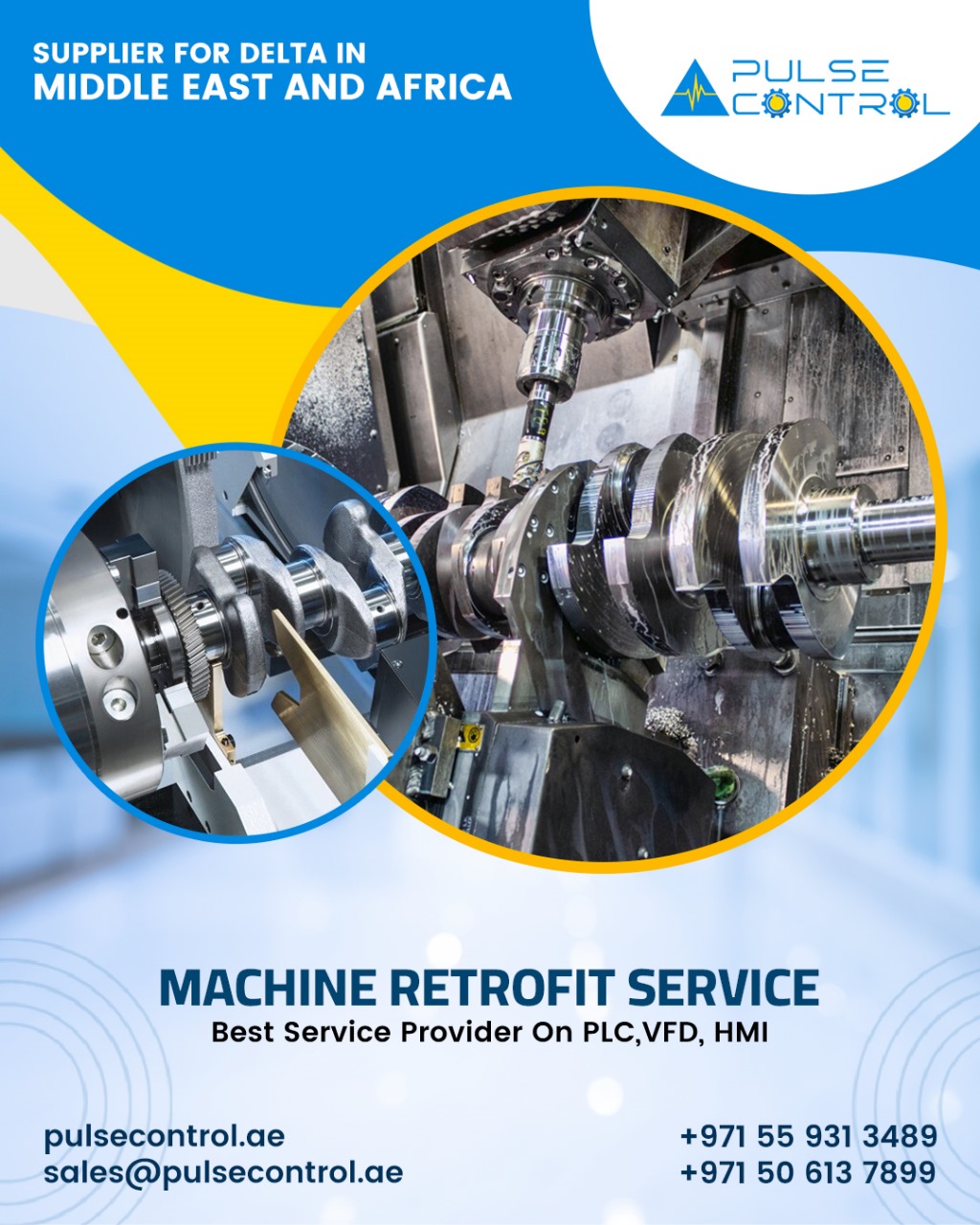
Key Features of Pulse Control Industrial Equipment LLC as a NIDEC Supplier in the UAE

  1. Comprehensive NIDEC Product Range

    • Offers a wide array of NIDEC products, including electric motors, drives, fans, pumps, and motion control systems tailored for diverse industrial needs.
  2. Global Quality Standards

    • Supplies high-performance, energy-efficient products that meet international quality and safety standards.
  3. Industry-Specific Solutions

    • Delivers customized solutions for industries such as manufacturing, HVAC, automotive, renewable energy, and infrastructure.
  4. Technical Expertise

    • Provides expert guidance in product selection, system integration, and operational optimization for maximum efficiency.
  5. End-to-End Support

    • Offers exceptional customer service with consultation, maintenance, and after-sales support for seamless operations.
  6. Local Market Knowledge

    • Combines global innovation with a deep understanding of the UAE market to meet specific regional requirements.
  7. Commitment to Sustainability

    • Focuses on providing energy-efficient solutions that align with sustainable development goals and reduce operational costs.
  8. Reliability and Trust

    • Established reputation for delivering high-quality products on time, ensuring consistent and dependable service to clients.

Relevance of NIDEC in Modern Industries

NIDEC, a global leader in motor and drive technology, plays a crucial role in advancing industries worldwide with its innovative and energy-efficient solutions. The company’s products, including electric motors, industrial drives, and motion control systems, are integral to various applications such as manufacturing, automotive, HVAC, renewable energy, robotics, and more. With a commitment to sustainability, NIDEC designs its solutions to reduce energy consumption, align with eco-friendly standards, and support global efforts toward carbon neutrality. This focus on energy efficiency and reliability makes NIDEC highly relevant in today’s drive for sustainable industrial growth.

Moreover, NIDEC’s advanced technologies enhance operational efficiency, precision, and productivity across diverse sectors. Their motors and drives are critical in automating processes, reducing downtime, and ensuring consistent performance in demanding environments. NIDEC’s adaptability to modern trends, such as the adoption of renewable energy systems and electric vehicles, further underscores its relevance in shaping the future of industries. As businesses strive for innovation and efficiency, NIDEC remains a trusted name for cutting-edge solutions that meet evolving industrial challenges while fostering global progress.

The Importance of Industries in NIDEC Products Industries play a vital role in the development, application, and demand for NIDEC products, as they serve as the backbone for global economic and technological advancements. NIDEC’s innovative portfolio, including electric motors, drive systems, fans, pumps, and motion control solutions, is essential to the operational efficiency of various sectors such as manufacturing, automotive, energy, and HVAC. Industries rely heavily on these products to drive automation, optimize energy use, and achieve precision in complex processes. For instance, in the manufacturing sector, NIDEC motors and drives are critical for running conveyor systems, robotics, and production lines with minimal energy consumption and maximum reliability. This synergy between industrial needs and NIDEC’s cutting-edge technology fosters innovation, productivity, and sustainability on a global scale. Furthermore, NIDEC products address industry-specific challenges, reinforcing their indispensable role across sectors. In the automotive industry, NIDEC’s high-efficiency motors contribute to the advancement of electric vehicles, supporting the shift toward sustainable mobility. Renewable energy projects utilize NIDEC’s advanced drive systems for efficient power generation, ensuring the reliability of wind turbines and solar tracking systems. The HVAC industry benefits from NIDEC’s energy-efficient fans and motors that help reduce carbon footprints while maintaining comfort and functionality. By catering to such diverse industrial applications, NIDEC products not only enhance operational effectiveness but also empower industries to align with modern sustainability goals. This symbiotic relationship highlights the importance of industries in driving demand, innovation, and the continuous evolution of NIDEC’s technological solutions. Common Myths About Industrial Products and NIDEC Solutions Myth: High-Performance Motors Consume More Energy Many people believe that high-performance motors, like those from NIDEC, consume excessive energy due to their powerful capabilities. In reality, NIDEC motors are designed with energy efficiency as a core focus. They often consume less power while delivering superior performance, reducing operational costs and environmental impact. Myth: Industrial Products Are Too Complex to Operate A common misconception is that advanced industrial products are overly complicated for regular operations. NIDEC products, however, are user-friendly and often come with detailed guidance and support. Their systems are designed for seamless integration, making them accessible for operators across various industries. Myth: Industrial Equipment Is Only for Large-Scale Operations NIDEC Supplier UAE NIDEC Supplier UAE NIDEC Supplier UAE NIDEC Supplier UAE NIDEC Supplier UAE NIDEC Supplier UAE NIDEC Supplier UAE NIDEC Supplier UAE NIDEC Supplier UAE NIDEC Supplier UAE NIDEC Supplier UAE NIDEC Supplier UAE NIDEC Supplier UAE NIDEC Supplier UAE NIDEC Supplier UAE NIDEC Supplier UAE NIDEC Supplier UAE NIDEC Supplier UAE NIDEC Supplier UAE NIDEC Supplier UAE NIDEC Supplier UAE NIDEC Supplier UAE NIDEC Supplier UAE NIDEC Supplier UAE NIDEC Supplier UAE NIDEC Supplier UAE NIDEC Supplier UAE NIDEC Supplier UAE vv NIDEC Supplier UAE NIDEC Supplier UAE NIDEC Supplier UAE NIDEC Supplier UAE NIDEC Supplier UAE NIDEC Supplier UAE Many assume that industrial-grade products are exclusively for large corporations. However, NIDEC offers scalable solutions that cater to businesses of all sizes, from small enterprises to multinational corporations, ensuring every sector can benefit from high-quality technology. Myth: Imported Products Don’t Meet Local Standards Some believe that globally sourced industrial products may not comply with local regulations or standards. NIDEC ensures all its products adhere to international and regional standards, making them suitable and safe for use in any market, including the UAE. Myth: Sustainable Technology Is Expensive There’s a myth that adopting energy-efficient or eco-friendly technology, like NIDEC’s solutions, is prohibitively expensive. On the contrary, these investments often result in long-term savings due to reduced energy consumption, lower maintenance costs, and extended product lifespans. By debunking these myths, industries can make informed decisions and take full advantage of innovative solutions like those offered by NIDEC. Industrial Automation: Definition, Importance, and Benefits Industrial automation refers to the use of control systems such as computers, robots, and information technologies to handle different processes and machinery in an industry, reducing the need for human intervention. It is a key component in modern manufacturing and production environments, where tasks that were once performed manually are now automated to increase efficiency, consistency, and safety. Key Components of Industrial Automation Control Systems: These include Programmable Logic Controllers (PLCs) and Distributed Control Systems (DCS), which are responsible for managing and controlling machines and processes. Robotics: Industrial robots are programmed to perform repetitive or hazardous tasks, such as assembly, welding, packaging, and material handling. Sensors: Sensors collect real-time data from machines, processes, or products, enabling precise monitoring and adjustments. Actuators: Devices that take commands from control systems and convert them into physical action, such as motors, pumps, or valves. Importance of Industrial Automation Increased Efficiency: Automation allows industries to operate at a higher throughput with consistent quality. Machines can work 24/7 without breaks, leading to higher productivity. Cost Reduction: With automation, industries can reduce labor costs and minimize errors, waste, and rework. This also lowers the cost of raw materials and resources. Improved Safety: By automating dangerous tasks, industries can reduce the risk of workplace accidents and injuries, enhancing worker safety and reducing liability. Enhanced Quality Control: Automation systems can ensure that each product is manufactured with the same precision and quality, reducing variability and defects. Data Collection and Analysis: Automated systems are equipped with sensors and data loggers that help industries gather valuable information to optimize processes and identify areas for improvement. Applications of Industrial Automation Manufacturing: Automation is used to control assembly lines, robotic arms, and machinery to streamline production processes, from automotive to electronics manufacturing. Energy: In power plants and energy systems, automation is crucial for monitoring and controlling power generation, distribution, and consumption efficiently. Food and Beverage: Automation in the food industry ensures consistency in production, packaging, and labeling, as well as better adherence to food safety standards. Pharmaceuticals: In pharmaceutical manufacturing, automation ensures precise mixing, filling, and packaging of products while complying with strict regulations. Future of Industrial Automation As technology advances, industrial automation is becoming increasingly sophisticated with the integration of Artificial Intelligence (AI), Machine Learning, and the Internet of Things (IoT). These innovations enable predictive maintenance, real-time decision-making, and further optimization of processes. The ongoing development of smart factories, where machines communicate and make autonomous decisions, will further revolutionize industries by creating more agile, responsive, and cost-effective production environments. Different Products Offered by NIDEC NIDEC is a global leader in providing a wide range of motor and drive solutions that cater to various industries. Their product portfolio spans from highly efficient electric motors to sophisticated control systems, all designed to optimize performance, reduce energy consumption, and meet the evolving needs of modern industries. Below are the main categories of NIDEC products: Electric Motors NIDEC offers an extensive range of electric motors used in industrial applications, ranging from small precision motors to large motors for heavy-duty machinery. These include: AC Motors: Used in HVAC systems, manufacturing equipment, and appliances. DC Motors: Ideal for precise speed control applications such as robotics, conveyor systems, and medical devices. Brushless Motors: Known for their durability and energy efficiency, these motors are widely used in applications like industrial robots, drones, and electric vehicles. Industrial Drives NIDEC’s industrial drives are used to control the speed, torque, and direction of motors. They are essential for optimizing machinery performance in industries such as manufacturing, automotive, and energy production. Key types include: Variable Frequency Drives (VFDs): Used to adjust motor speed in real-time, reducing energy consumption and enhancing performance. Servo Drives: Provide precise control for motors in automation systems, ensuring smooth operation in complex machinery. Inverters and Converters: Convert electrical power from one form to another for compatibility with various equipment and systems. Motion Control Systems NIDEC produces advanced motion control solutions, including: Motion Controllers: Used to control the precise movement of machinery in automated systems, helping industries improve speed and accuracy. Linear Motors and Actuators: Provide high-precision linear movement, essential for applications like CNC machines and automated assembly lines. Fans and Blowers NIDEC’s fans and blowers are used in a wide variety of industrial and commercial applications to provide ventilation, cooling, and airflow. These include: Axial Fans: Used in ventilation and cooling systems where airflow needs to be directed along the axis of the fan. Centrifugal Fans: Suitable for applications requiring high-pressure airflow, such as in air conditioning systems, ventilation, and industrial exhaust systems. Pumps NIDEC provides a wide range of pumps used in different industries, from water treatment plants to oil and gas facilities. These include: Centrifugal Pumps: Commonly used in fluid processing, water management, and chemical handling. Gear Pumps: Known for their ability to handle viscous fluids, these are used in automotive and manufacturing industries. Diaphragm Pumps: Used in industries that require precise fluid delivery, such as pharmaceuticals and food processing. Automation and Robotics NIDEC is heavily involved in the field of industrial automation and robotics. Their products include: Industrial Robots: Used in assembly, packaging, and other repetitive tasks, enhancing productivity and reducing labor costs. Automated Guided Vehicles (AGVs): These vehicles are used for material handling in factories and warehouses, automating logistics and inventory management. Home Appliances Motors NIDEC also designs and manufactures motors specifically for household appliances. These include: Refrigerator Motors: Used to drive compressors in refrigeration systems, ensuring energy efficiency and reliability. Washing Machine Motors: Provide the necessary power for washing machines, ensuring smooth and efficient operation. Vacuum Cleaner Motors: Deliver high suction power for effective cleaning. Automotive Motors NIDEC plays a significant role in the automotive industry, offering products such as: Electric Vehicle Motors: Essential for powering electric vehicles, contributing to the growth of sustainable transport. Automotive HVAC Motors: Used in vehicle climate control systems for efficient air conditioning and heating. Power Steering Motors: Provide precise control for steering mechanisms, improving vehicle handling and safety. Renewable Energy Solutions NIDEC also contributes to renewable energy applications, providing products like: Wind Turbine Motors: Used to generate power in renewable energy systems, optimizing efficiency and performance. Solar Inverters: Convert solar energy into usable power for both residential and industrial applications. Conclusion NIDEC’s diverse range of products caters to various industries, providing innovative solutions that enhance performance, reliability, and energy efficiency. From electric motors and industrial drives to robotics and renewable energy solutions, NIDEC's technology empowers businesses across the globe to achieve operational excellence. Robotics Generation: Evolution and Advancements in Robotics Technology Robotics generation refers to the ongoing progression of robotic technologies, from basic mechanical systems to highly advanced, autonomous machines that can perform complex tasks with precision and flexibility. This generation encompasses innovations in hardware, software, and AI that have transformed industries, including manufacturing, healthcare, logistics, and even entertainment. The advancements in robotics have been influenced by breakthroughs in artificial intelligence (AI), machine learning, sensors, and automation, allowing robots to evolve from simple programmed machines to intelligent systems capable of adapting to dynamic environments. Stages of Robotics Evolution First Generation: Early Mechanization In the early stages of robotics, robots were mostly mechanical arms or machines used for repetitive, manual tasks in controlled environments. They operated in a predefined manner, with limited intelligence and no ability to adapt to changing situations. Examples: Early robotic arms used in automotive manufacturing for welding or assembling parts. These machines performed simple tasks but lacked flexibility and autonomy. Second Generation: Increased Automation and Flexibility The second generation of robotics saw the introduction of programmable controllers, allowing robots to perform more complex tasks beyond simple movements. These robots were capable of executing more varied operations but still required human input for programming and decision-making. Examples: Robots in assembly lines that could be reprogrammed for different product types, enabling them to perform various tasks in industries like electronics and packaging. Third Generation: Autonomous Robots with Sensors This generation introduced more sophisticated robots capable of interacting with their environment using sensors and feedback mechanisms. These robots began to use AI and machine learning to analyze and respond to real-time data, enabling them to perform more autonomous tasks. Examples: Autonomous mobile robots (AMRs) that navigate warehouses or factories, as well as robots used in surgical procedures that can assist doctors with high precision. Fourth Generation: Collaborative Robots (Cobots) Cobots are robots designed to work alongside humans, providing assistance in tasks that require a combination of human judgment and robotic precision. These robots are typically more flexible, easier to program, and safer to work with in a shared space. Examples: Cobots used in industries like electronics assembly, where robots handle repetitive tasks while humans focus on tasks requiring dexterity and decision-making. Fifth Generation: Advanced AI-Powered Robotics The latest generation of robotics combines AI, deep learning, and advanced robotics systems to create robots that can perform complex tasks autonomously, learn from their environments, and adapt to unpredictable situations. These robots are designed to handle increasingly intricate tasks and are capable of making decisions based on data analysis and situational awareness. Examples: Autonomous robots used in agriculture for crop monitoring and harvesting, or delivery drones capable of navigating complex environments with minimal human intervention. Key Technologies Driving Robotics Generation Artificial Intelligence (AI) AI enables robots to perform tasks that require decision-making, pattern recognition, and learning. With AI, robots can adapt to changes in their environment and improve performance over time through machine learning. Sensors and Vision Systems Advanced sensors (such as cameras, LiDAR, and proximity sensors) allow robots to perceive and navigate their environment. These sensors provide robots with real-time data, helping them make informed decisions and avoid obstacles. Autonomous Navigation Robots in this generation can navigate autonomously without human intervention, using algorithms that process data from sensors to understand their surroundings. This is particularly useful in industries such as logistics, agriculture, and autonomous vehicles. Human-Robot Interaction (HRI) Robots are increasingly designed to work closely with humans in a collaborative manner. Technologies like voice recognition, haptic feedback, and gesture control allow for more intuitive and efficient human-robot interaction. Advanced Materials and Actuators The development of new materials and actuators, such as soft robotics and flexible materials, enables robots to perform tasks that require a high degree of dexterity, such as handling fragile items or performing intricate surgery. Applications of Robotics Across Industries Manufacturing: Robotics has revolutionized manufacturing processes, from assembly lines to quality control. Robots improve precision, reduce waste, and work faster than human labor. Healthcare: Robotic surgery, telepresence robots, and rehabilitation devices are transforming healthcare by providing higher precision, better patient outcomes, and improving accessibility to medical care. Logistics and Warehousing: Autonomous mobile robots (AMRs) and drones are transforming the logistics industry by automating inventory management, sorting, and delivery. Agriculture: Robotics is increasingly used for tasks like precision farming, planting, crop monitoring, and harvesting, optimizing agricultural processes while reducing labor costs. Service and Hospitality: Robots are also entering the service industry, assisting with tasks like delivering items, cleaning, and even customer service. The Future of Robotics Generation The future of robotics is poised to bring even more advanced capabilities with breakthroughs in AI, machine learning, and quantum computing. Robots will become more autonomous, flexible, and intelligent, capable of operating in dynamic environments and adapting to new tasks. As the technology becomes more affordable, we can expect to see robots integrated into a wider range of applications, helping to transform industries and improve quality of life across the globe. Robotics will continue to evolve, creating smarter, more capable machines that can take on an expanding range of tasks, working seamlessly with humans to improve efficiency, safety, and productivity across diverse sectors.

What products does Pulse Control offer as a NIDEC supplier UAE?

As a leading NIDEC supplier UAE, Pulse Control supplies NIDEC motors, motor drives, controllers, and related automation components.

About Us

Our services include Detail Engineering solutions, Machine Automation, Process Automation, Control Panel Design & Assembly, PLC Programming, VFD Installation & Commissioning, Energy Monitoring Solutions, Products Supply and support on industry leading brands.

Networks

Products

  • Programmable Logic Controller
  • Variable Frequency Drive
  • Servo Motor & Drive
  • Motion Controller
  • Scada
  • More...

Services

  • Level Monitoring System
  • Pneumatic & Hydraulics
  • Industrial Automation
  • Control Panel Designing
  • Wiring Solutions
  • More...

Our Address

Pulse Control Industrial
Equipment’s Trading LLC
Al Qusais Industrial Area-1,
Dubai-UAE.
Tel.: +971-55-9313489
+971-55-9520689
Email :  sales@pulsecontrol.ae , service@pulsecontrol.ae

© 2022 Welcome to Pulse Control. All rights reserved

Privacy Preference Center