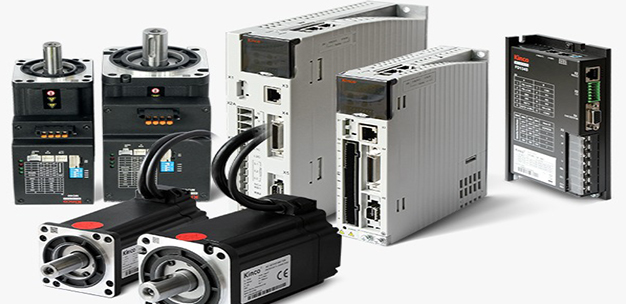
Pulse Control is a trusted supplier of control panels for conveyor systems, providing specialized expertise and technology solutions tailored to the needs of diverse industries. These control panels are designed to enhance the efficiency, safety, and automation capabilities of conveyor systems, making them highly adaptable for applications across manufacturing, logistics, warehousing, food processing, and mining. Pulse Control’s conveyor control panels combine advanced components, customized configurations, and user-friendly interfaces to create seamless operational flows, increase productivity, and maintain safety, making them essential for industries reliant on streamlined material handling.
Tailored Design for Industry-Specific Needs
One of the key specialties Pulse Control brings to conveyor control panels is its ability to design and deliver customized solutions tailored to specific industry needs. Each panel is configured to align with the unique operational requirements of the conveyor system it supports. For example, in manufacturing plants, Pulse Control’s panels can be programmed to regulate conveyors that handle different types of products or materials, adjusting speed and direction for various stages of production. In warehousing and distribution centers, the control panels can be integrated with sorting and packaging systems, facilitating smooth operations across the supply chain. This level of customization ensures that companies receive control panels that perfectly match their workflow, minimizing downtime and enhancing operational efficiency.
Advanced Automation and Integration Capabilities
Pulse Control’s conveyor control panels are equipped with advanced automation features that seamlessly integrate with broader industrial automation systems. Through the use of programmable logic controllers (PLCs) and sophisticated software, these panels can communicate with other machinery, creating an interconnected system that optimizes production lines and logistics processes. For companies operating multiple conveyor lines, Pulse Control’s control panels support centralized control, allowing operators to manage all lines from a single platform. This high degree of automation ensures that materials flow smoothly through various processes with minimal manual intervention, reducing human error and increasing throughput.
High-Performance Components and Reliable Engineering
A distinguishing feature of Pulse Control’s conveyor control panels is their use of high-quality, durable components that provide reliability in demanding environments. The panels incorporate robust motor starters, variable frequency drives (VFDs), human-machine interfaces (HMIs), and other essential components from reputable manufacturers. This emphasis on quality ensures that the control panels can withstand the rigors of continuous operation in industrial settings, where machinery often needs to function around the clock. Additionally, the engineering and assembly of Pulse Control’s panels are carried out with precision, ensuring reliable performance and reducing the likelihood of costly breakdowns.
Emphasis on Safety Features and Compliance
Pulse Control prioritizes safety in its control panel designs, incorporating a wide range of features to protect both personnel and equipment. The panels are equipped with emergency stop buttons, safety interlocks, and sensors that detect malfunctions, obstructions, or personnel in unsafe proximity to the conveyor system. These safety measures automatically halt operations when necessary, preventing accidents and equipment damage. Furthermore, Pulse Control ensures that its control panels comply with industry safety standards and regulations, providing companies with solutions that support a safe working environment. This focus on safety makes Pulse Control’s panels ideal for industries where large, automated machinery poses potential hazards to workers.
Energy Efficiency for Cost-Effective Operations
Another key specialty of Pulse Control’s conveyor control panels is their focus on energy efficiency. By integrating variable frequency drives (VFDs) and energy-saving motor control technologies, these panels adjust the conveyor’s speed based on load requirements, minimizing power consumption when the conveyor is running idle or with lighter loads. This energy-saving feature is particularly valuable for large facilities with extensive conveyor systems, as it contributes to reduced electricity costs and extends the life of the conveyor motors and related components. With Pulse Control’s focus on efficiency, companies benefit from lower operational costs while maintaining high productivity levels.
Real-Time Monitoring and Diagnostics
Pulse Control’s conveyor control panels offer advanced monitoring and diagnostic features that provide operators with real-time data on system performance. The panels’ HMIs and PLCs display essential metrics, such as conveyor speed, motor load, and operational status, allowing operators to quickly assess performance and detect potential issues. Additionally, Pulse Control’s panels often include diagnostic tools that automatically perform routine checks, ensuring that the conveyor system is always running at optimal capacity. These self-check and monitoring features contribute to predictive maintenance, as operators are alerted to any anomalies or signs of wear that may require attention, preventing unplanned downtime and costly repairs.
Scalable and Future-Ready Solutions
Pulse Control’s conveyor control panels are designed with scalability in mind, enabling companies to expand their systems as operational demands grow. For instance, if a production facility or warehouse needs to add additional conveyor lines or integrate new processes, Pulse Control’s control panels can be easily adapted to accommodate these changes. This flexibility ensures that companies can make incremental upgrades without requiring a complete system overhaul. Additionally, Pulse Control offers future-ready solutions that can integrate with emerging technologies, such as Internet of Things (IoT) capabilities, allowing companies to stay competitive and technologically current in a rapidly evolving industrial landscape.
Technical Support and After-Sales Service
Pulse Control distinguishes itself by providing comprehensive technical support and after-sales service for its control panels. From initial installation and configuration to ongoing maintenance and troubleshooting, Pulse Control’s team of specialists is available to assist clients with any issues or modifications needed for their systems. This commitment to support ensures that companies can rely on Pulse Control’s expertise long after the control panels are installed, giving them peace of mind and consistent productivity. The support team also offers training for operators and maintenance personnel, ensuring that users fully understand the control panel’s features and functionalities, which further enhances the safety and efficiency of the conveyor system.
Pulse Control’s expertise in supplying conveyor control panels goes beyond merely providing equipment; it offers a comprehensive solution that enhances operational efficiency, safety, and scalability. By delivering customized designs, advanced automation capabilities, energy-efficient components, and real-time monitoring, Pulse Control supports industries in optimizing their conveyor systems for maximum productivity. With a strong emphasis on safety and compliance, Pulse Control ensures that its control panels provide a secure working environment for employees. Through its technical support and future-ready solutions, Pulse Control remains a valuable partner for companies seeking reliable and adaptable control systems for their conveyor operations, ultimately enabling them to achieve sustainable growth and operational excellence
A Control Panel for a Conveyor System is a critical component in managing and automating the operation of conveyor belts in industries like manufacturing, logistics, food processing, and mining. These panels serve as the central hub for all control mechanisms, integrating functions that monitor and regulate conveyor speed, direction, and overall performance, ensuring that operations are safe, efficient, and meet production demands. By consolidating various control devices into a single panel, operators can achieve precision control over conveyor processes, allowing for optimized flow of materials, minimized downtime, and enhanced safety in industrial environments.
Key Functions and Capabilities
The control panel is designed to monitor, start, stop, and regulate the conveyor’s movement, adapting to the specific requirements of the material or products being transported. Most conveyor control panels include components such as programmable logic controllers (PLCs), human-machine interfaces (HMIs), motor starters, speed controllers, and various types of sensors (such as proximity, load, and safety sensors). These components work together to provide comprehensive control, allowing operators to set and monitor speed, change the conveyor direction, and adjust the belt tension as needed. Additionally, control panels can include customizable settings, so operators can establish specific parameters for different phases of production, ensuring seamless transitions between processes.
Enhanced Safety Mechanisms
Safety is a primary consideration in conveyor control systems, as conveyor belts are constantly moving and can pose risks to personnel working nearby. Modern control panels are equipped with safety features like emergency stop buttons, alarm systems, and safety interlocks that immediately halt operations if a malfunction, obstruction, or other dangerous condition is detected. For example, if a product jams or there is a sudden overload, the control panel can trigger an automatic stop, preventing damage to the conveyor and protecting workers from potential harm. Furthermore, some panels are programmed to integrate with other safety mechanisms, like guard sensors or proximity sensors, to detect personnel in hazardous zones and automatically shut down operations if safety is compromised.
Integration with Automation Systems
Control panels for conveyors are often integrated into broader industrial automation systems, allowing for centralized control of multiple conveyors and related equipment from a single platform. Through PLCs and advanced automation software, operators can synchronize the conveyor’s operation with other machinery and equipment in the production line. This integration facilitates seamless coordination of tasks, enabling continuous flow without manual intervention, which is especially beneficial in high-volume operations. For instance, in a warehouse setting, conveyors equipped with automated sorting and packaging systems can streamline the movement of goods through the entire supply chain, significantly enhancing productivity and reducing operational costs.
Energy Efficiency and Cost Savings
Modern conveyor control panels are designed to maximize energy efficiency, helping companies reduce electricity consumption and operating expenses. By utilizing variable frequency drives (VFDs) and energy-efficient motor controls, these panels can adjust the conveyor’s speed based on load requirements, conserving power when the conveyor is carrying lighter loads or not in use. Energy-efficient panels contribute to lower energy bills and longer equipment lifespan, as motors and other components are subject to less wear and tear. Over time, this translates to significant cost savings, particularly for large facilities with extensive conveyor systems operating around the clock.
Customization and Scalability
Control panels can be tailored to fit the unique needs of each operation, offering customization options that make them scalable for growing businesses. Panels can be configured to handle additional conveyor lines or adapt to new processes as operational requirements evolve. For example, a manufacturing plant that increases production volume can scale up its control system to accommodate new conveyor belts, integrating them seamlessly without the need for a complete system overhaul. This flexibility enables companies to maintain consistent performance as they expand, supporting growth without interrupting production or incurring excessive reconfiguration costs.
Real-Time Monitoring and Data Analysis
Many advanced control panels come with real-time monitoring capabilities, which provide operators with live data on conveyor performance. Through HMIs or dedicated software, operators can track metrics like speed, load, temperature, and motor performance, enabling them to identify potential issues before they escalate. This data can be analyzed to optimize conveyor operations further, such as adjusting speed settings for peak efficiency or scheduling preventive maintenance to minimize downtime. Some systems are even equipped with remote monitoring features, allowing supervisors to access performance data and control the conveyor system from off-site locations. This level of monitoring not only improves efficiency but also supports data-driven decision-making, which can enhance productivity and equipment lifespan.
Improved Productivity and Workflow
Control panels play a pivotal role in improving productivity and streamlining workflow, particularly in fast-paced industrial environments. With precise controls and automation, the conveyor system can continuously move products or materials through different stages of production with minimal human intervention. This results in a faster, more consistent workflow and allows human workers to focus on more complex tasks. In addition, the ability to pre-program conveyor sequences or adjust speeds for specific types of materials adds flexibility, accommodating a wider range of products and handling requirements. Ultimately, a well-managed conveyor system enabled by a reliable control panel leads to higher throughput and more efficient use of resources.
The control panel is the backbone of a conveyor system, bringing together the power of automation, safety, energy efficiency, and flexibility to create a highly functional and reliable operation. With features that support precise control, comprehensive safety, real-time monitoring, and easy scalability, conveyor control panels are indispensable in today’s industrial settings. By investing in a robust control system, facilities can optimize conveyor performance, streamline production, and significantly reduce operational costs, all while maintaining a safe and productive work environment.
Control Panels for Conveyor Systems: Relevance and Importance
Control panels are integral to the functionality and efficiency of conveyor systems in various industries, such as manufacturing, logistics, and mining. They provide centralized control, allowing operators to manage the movement, speed, and direction of conveyor belts, which is essential for maintaining productivity and ensuring the smooth flow of materials and products through production lines. The relevance of control panels in conveyor systems extends to multiple facets of industrial operations, including efficiency, safety, automation, energy savings, and adaptability to future demands.
Enhancing Operational Efficiency
Control panels streamline conveyor operations by allowing precise control over conveyor speed and load capacity, ensuring that materials flow smoothly and efficiently across different stages of production. With centralized control, operators can quickly start, stop, or adjust conveyor operations as needed, reducing downtime and optimizing workflow. This is especially critical in industries with high production volumes, where minor delays can significantly impact productivity. Through automated sequencing and control options, control panels eliminate the need for constant manual adjustments, freeing up personnel for more complex tasks and improving overall efficiency.
Safety and Risk Mitigation
Conveyor systems can present safety risks to personnel working nearby, particularly in high-speed or heavy-load environments. Control panels incorporate essential safety features, such as emergency stop buttons, safety interlocks, and sensors that detect obstructions or unsafe conditions on the conveyor line. When these features detect an issue, they can immediately halt the conveyor, preventing accidents, equipment damage, or product loss. Many modern control panels are designed to comply with strict industrial safety regulations, ensuring that conveyor systems operate safely and are equipped to handle emergencies.
Integration with Automation and Smart Technologies
Control panels for conveyors are increasingly equipped with automation capabilities, often incorporating programmable logic controllers (PLCs) and human-machine interfaces (HMIs) that allow for comprehensive control over the conveyor system. This integration supports a higher degree of automation, enabling conveyors to communicate with other machines in the production line and work in harmony with robotic systems or sorting machines. The advanced control provided by automated panels helps maintain a steady production flow, reducing the need for manual oversight and aligning with the goals of Industry 4.0 by preparing systems for smart factory environments.
Energy Efficiency and Cost Savings
Energy efficiency is a major consideration for industrial conveyor systems, as they can consume significant power, especially in large-scale operations. Control panels play a critical role in managing energy consumption by utilizing components such as variable frequency drives (VFDs), which adjust conveyor speeds based on load requirements. By reducing power consumption during low-load or idle periods, these control panels help facilities cut down on electricity costs and reduce their carbon footprint. This energy-efficient approach not only lowers operational expenses but also extends the lifespan of conveyor motors, reducing maintenance costs and the need for frequent replacements.
Flexibility and Scalability for Future Needs
Control panels for conveyor systems are designed to be highly flexible, allowing companies to scale their operations as business needs change. For example, if a warehouse expands or a factory introduces new production lines, control panels can be adapted to manage additional conveyor belts and integrate with new equipment, often without the need for a complete overhaul. This flexibility makes control panels a long-term investment, as they can evolve alongside the growth and diversification of the business, accommodating new technologies and increased production capacity.
Real-Time Monitoring and Predictive Maintenance
Many modern control panels are equipped with real-time monitoring capabilities, providing operators with insights into conveyor performance, speed, motor temperature, and load levels. Through connected devices and IoT integration, some control panels can transmit data to remote monitoring systems, allowing operators to track performance even from off-site locations. Real-time monitoring also supports predictive maintenance, as it helps identify potential issues before they lead to breakdowns. This proactive approach minimizes unexpected downtime, helping facilities maintain consistent productivity and reducing repair costs.
Control panels are essential to the operation, safety, and efficiency of conveyor systems, making them a valuable component in industries reliant on material handling and automated production lines. By offering advanced automation features, energy-efficient solutions, and safety mechanisms, control panels empower industries to optimize conveyor performance and achieve cost-effective, sustainable operations.
Why choose Pulse Control for conveyor control panels?
Pulse Control provides reliable and advanced conveyor control panels designed for smooth operation, safety, and efficiency. Our panels are built with high-quality components, comply with international standards, and can be customized to meet specific industrial requirements. With expertise in automation and strong after-sales support, we ensure optimal performance for conveyor systems across different industries.
Why choose Pulse Control for conveyor control panels?
Pulse Control provides reliable and advanced conveyor control panels designed for smooth operation, safety, and efficiency. Our panels are built with high-quality components, comply with international standards, and can be customized to meet specific industrial requirements. With expertise in automation and strong after-sales support, we ensure optimal performance for conveyor systems across different industries.
What Services Are Included in Control Panel for Conveyor Systems?
| Service Type | Description | Key Benefits |
|---|---|---|
| Conveyor Control Panel Design | Custom design of control panels for conveyor system automation | Efficient operation, tailored solutions |
| PLC & VFD Integration | Integration of PLCs and VFDs for speed and process control | Smooth control, energy efficiency |
| Installation & Maintenance | Setup, testing, troubleshooting, and ongoing support | Reduced downtime, reliable performance |